Walk & Talk: reimagining productivity for neurodiversity
London 2024-2025
Collaborative project with Jasmine Shah
Presented at the Neurodiversity Pride Week Conference 2025, hosted by Neurodiversity Foundation
Research and Process
Final Work
Research Fellowship
London 2025-2026
Collaborative project with Jasmine Shah
Presented at the Neurodiversity Pride Week Conference 2026 hosted by Neurodiversity Foundation
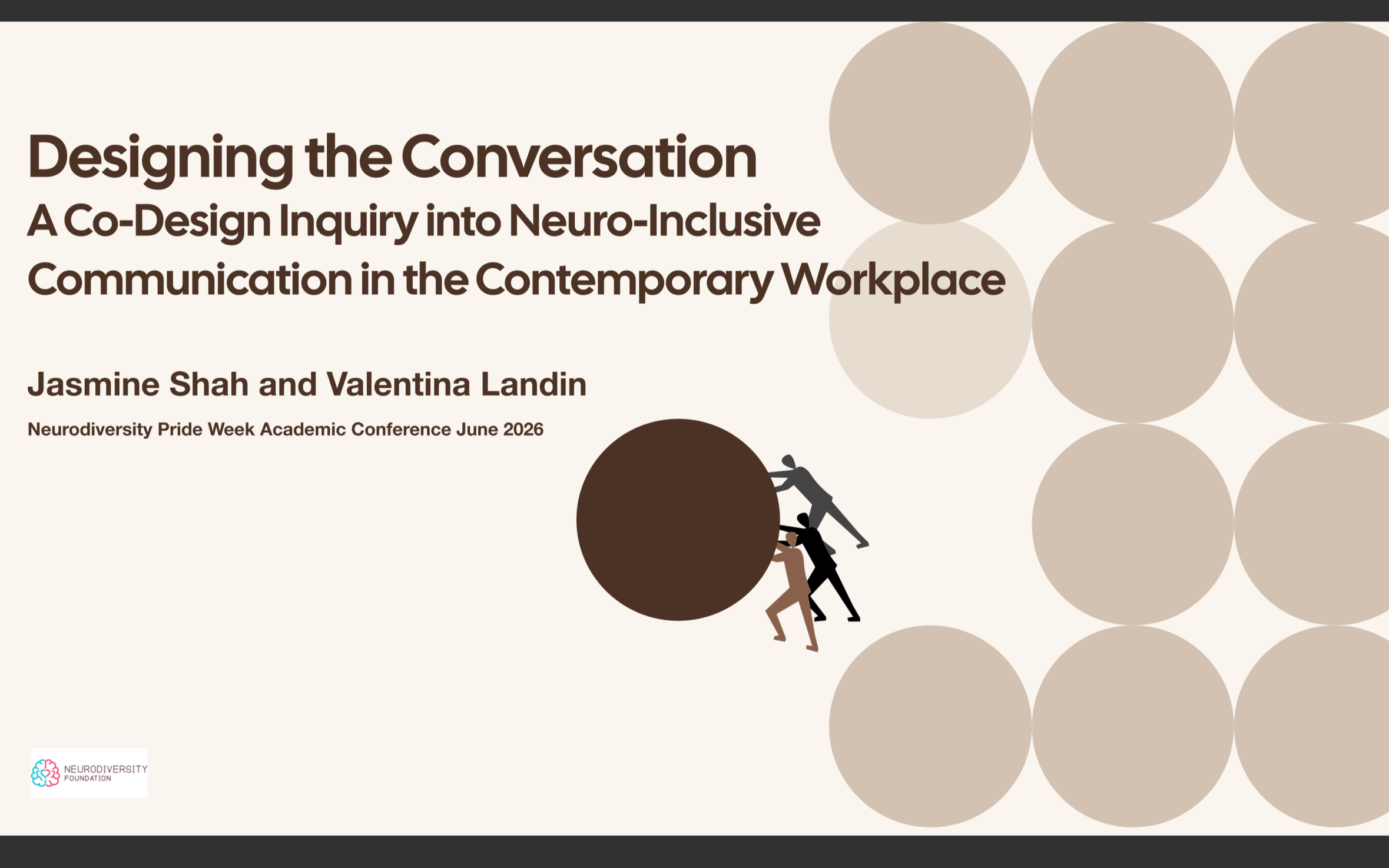

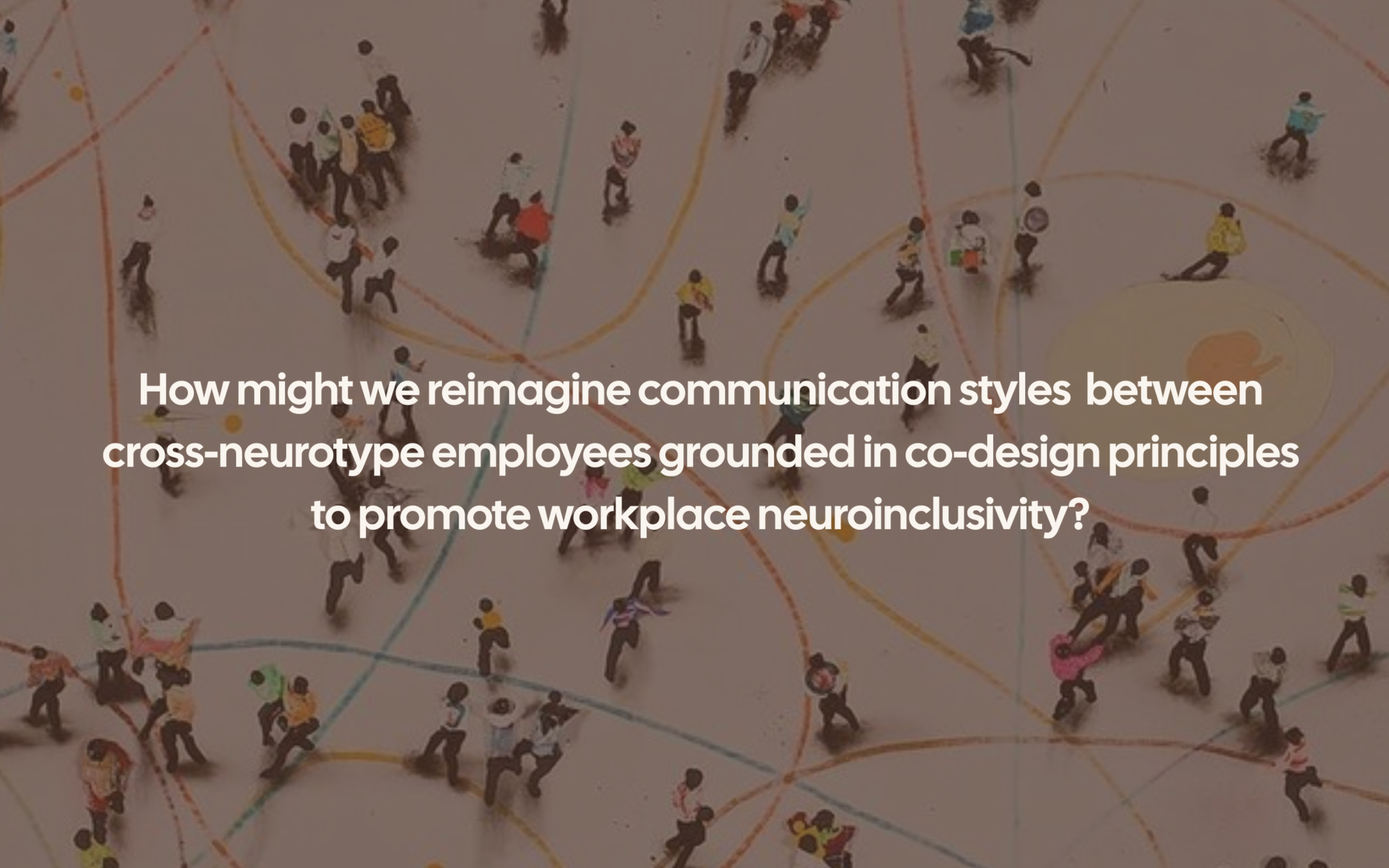
Designing the Conversation: A Co-design inquiry into Neuro-inclusive Communication in the Contemporary Workplace.
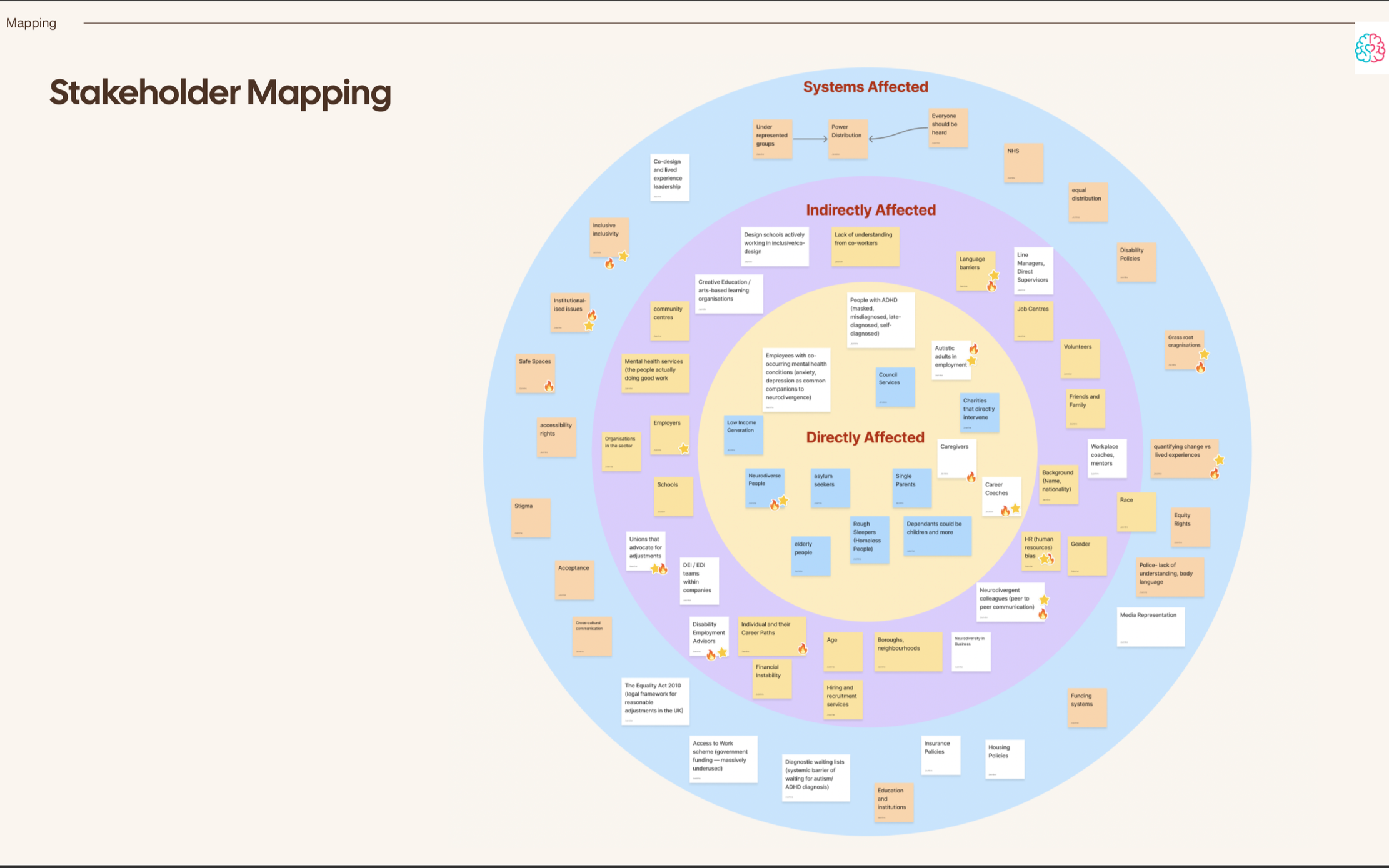
This is a process-based research project that investigates the structural barriers neurodivergent employees face in workplaces. We mapped the problem space across policy, culture, and lived experience using primary literature, design thinking mapping tools, PESTLE analysis, and research methodologies such as warm data and co-design.
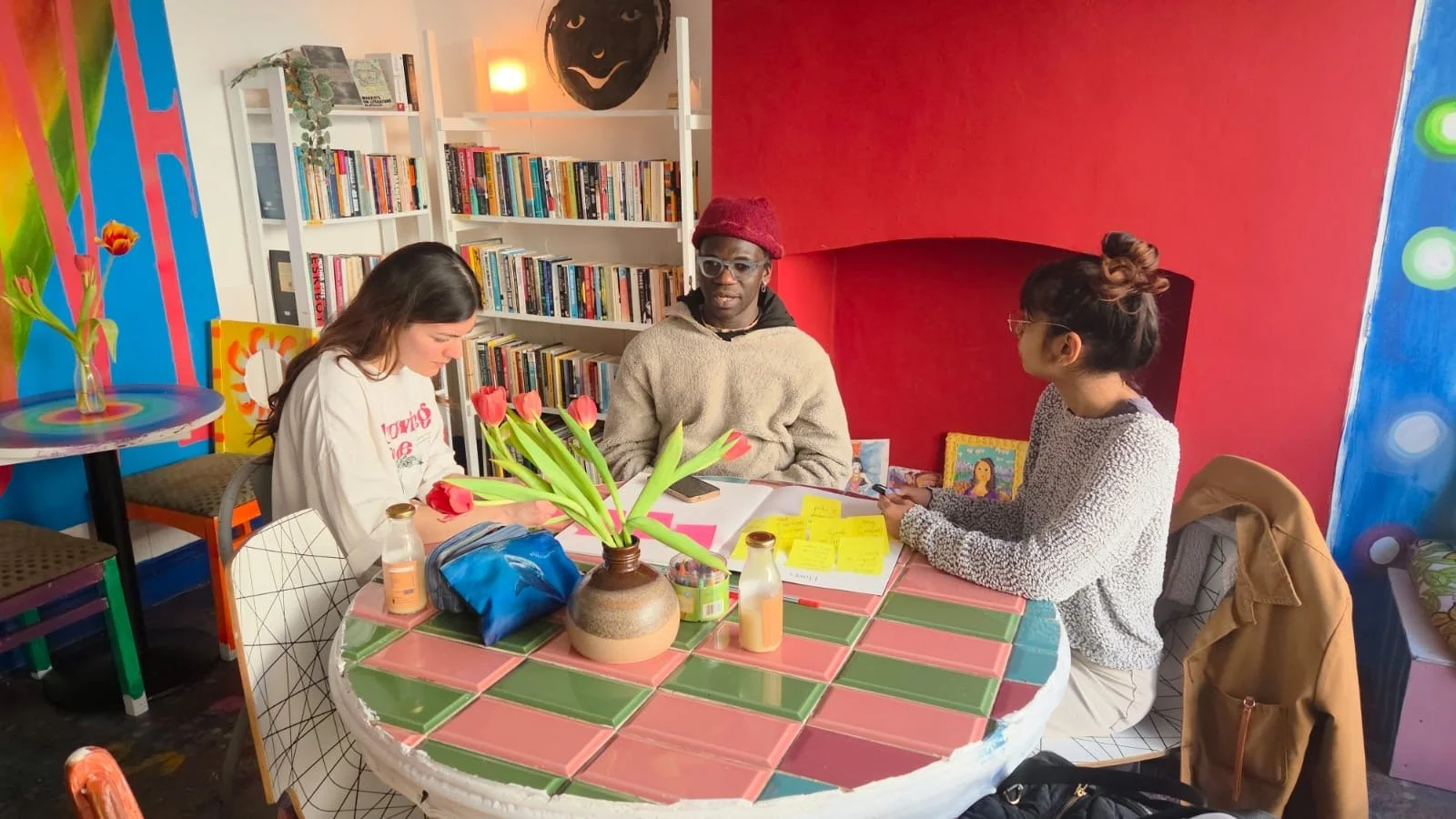
We collaborated with Eagle from Kata-Kata Brixton, a Black-led community organisation working particularly with deaf, neurodivergent and disabled individuals across co-production and inclusive engagement. We conducted three co-design sessions with Eagle to better understand the problem space through direct engagement with the community. The research revealed that the gap between organisational intention and employee experience is not individual but systemic.
A key learning throughout this process was that it is important to intervene with grassroots communities, because they are the ones most affected by top-down systems, but also the ones doing the groundwork and driving real change.
Skills: co-creation, community outreach and workshop facilitation
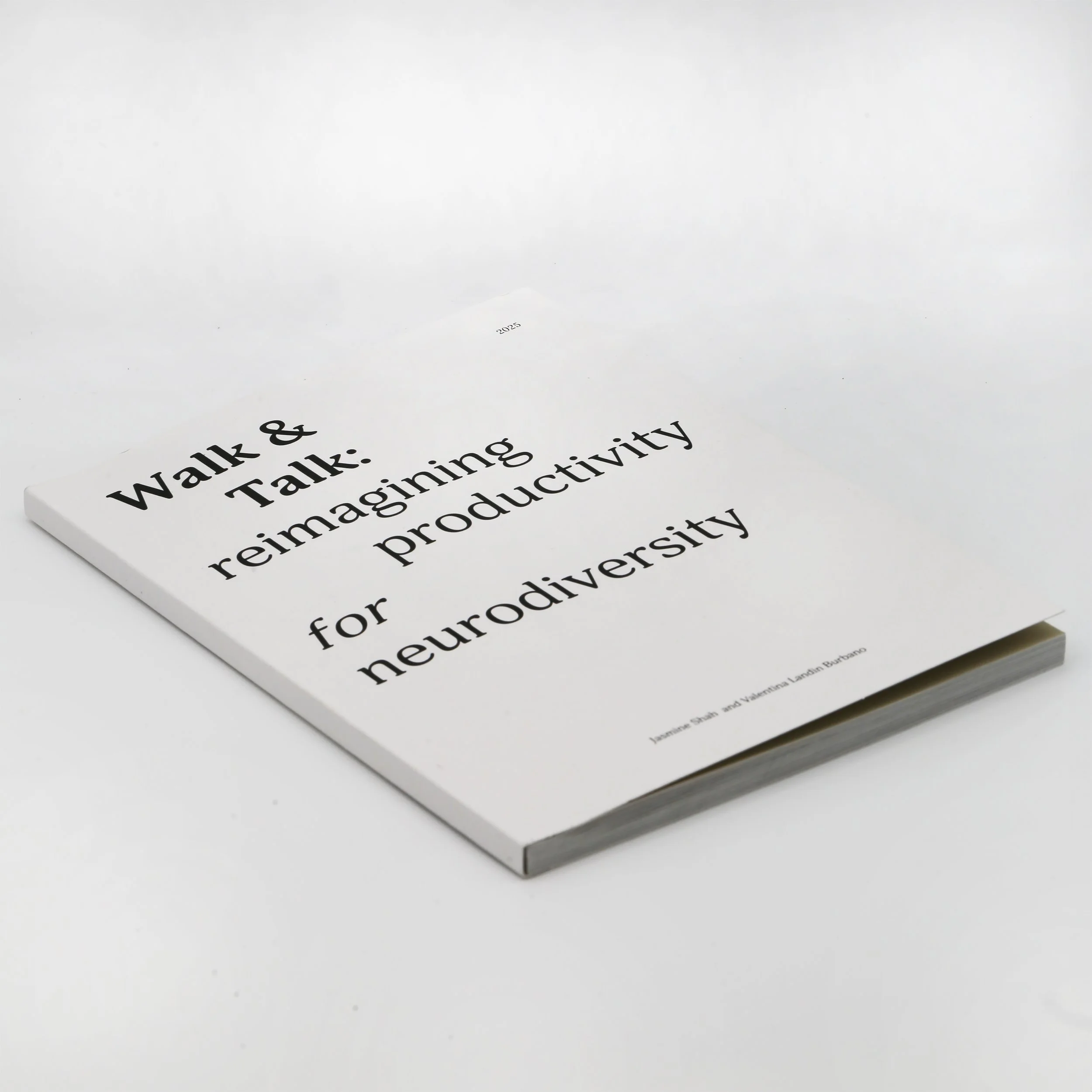
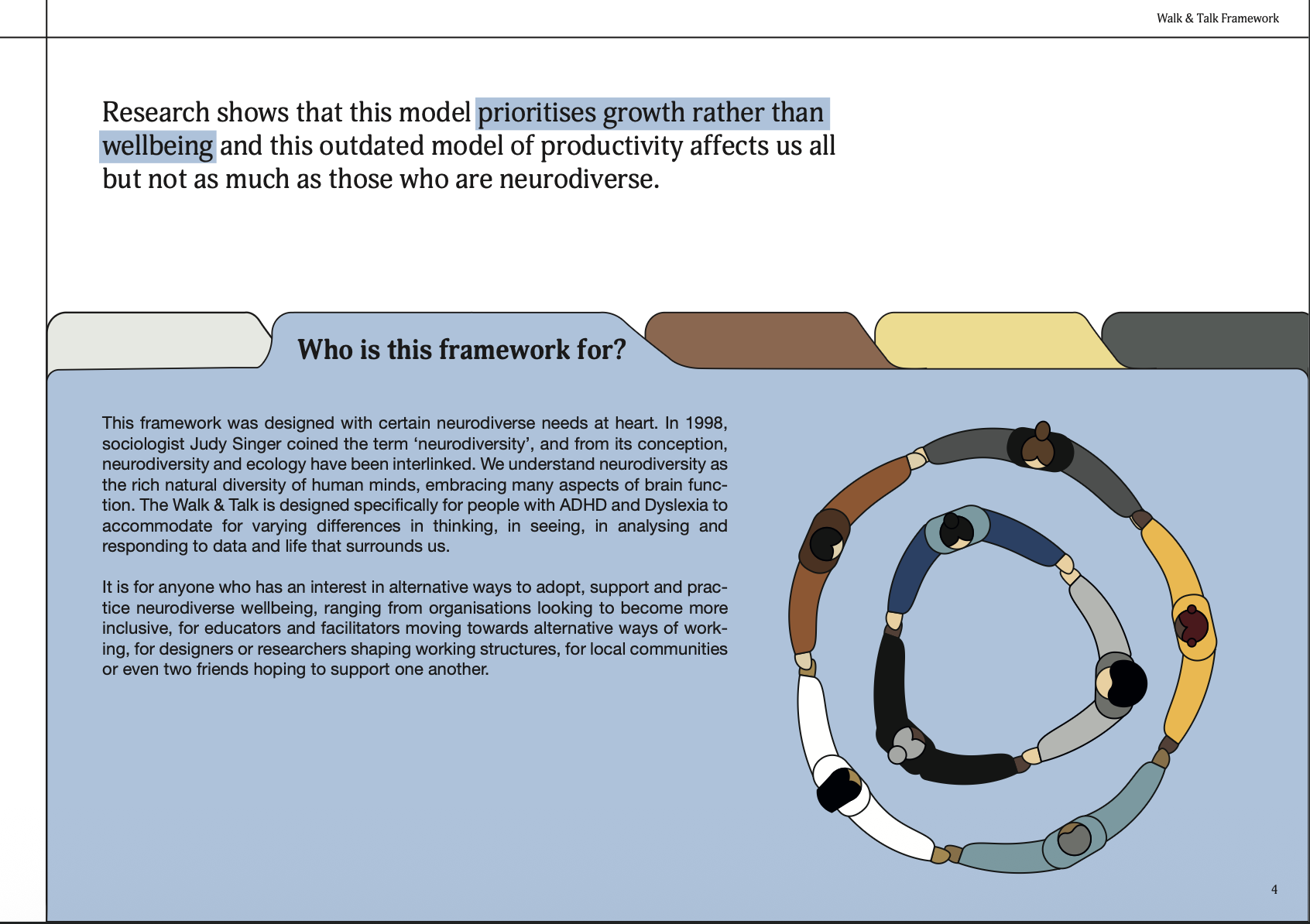
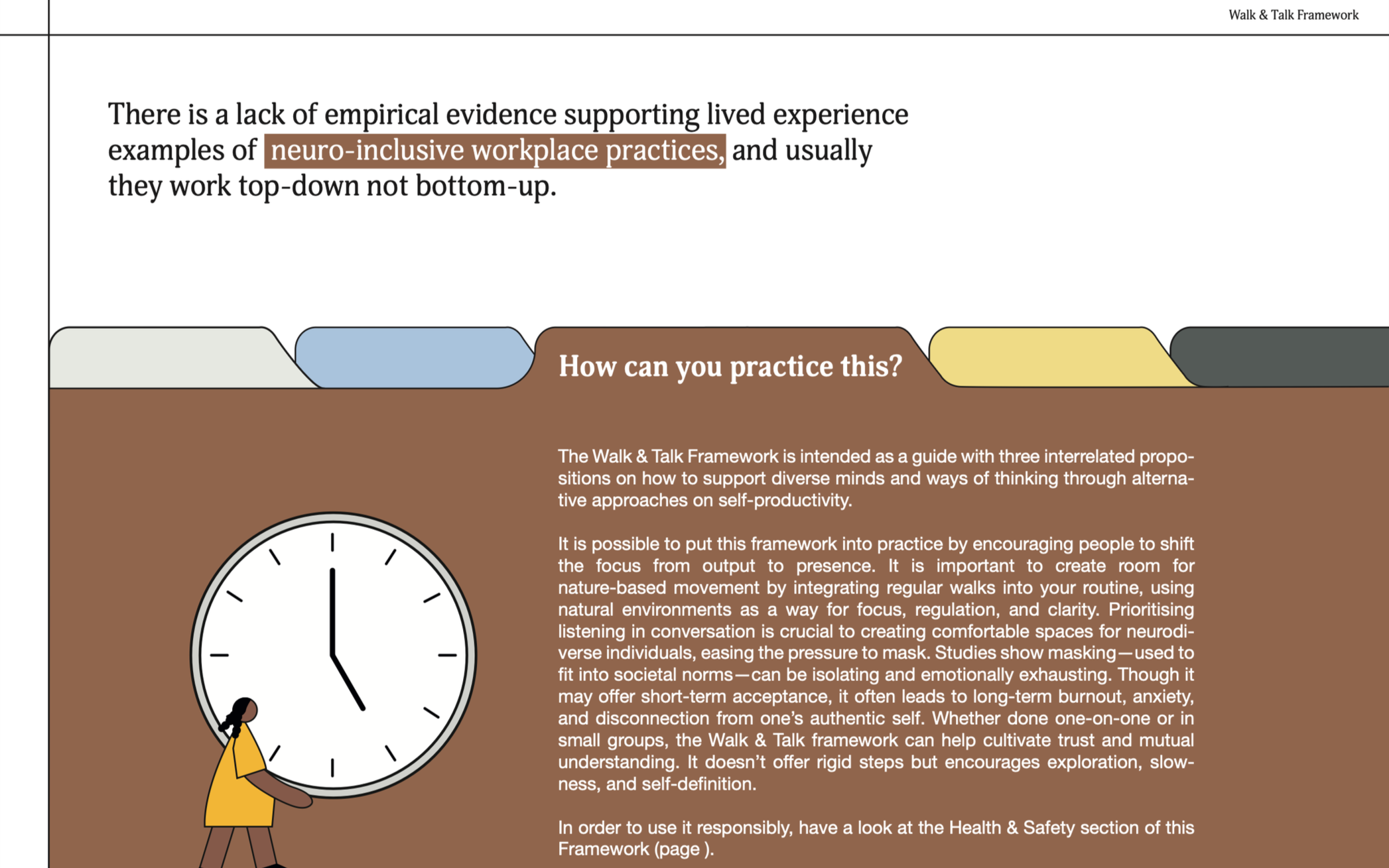
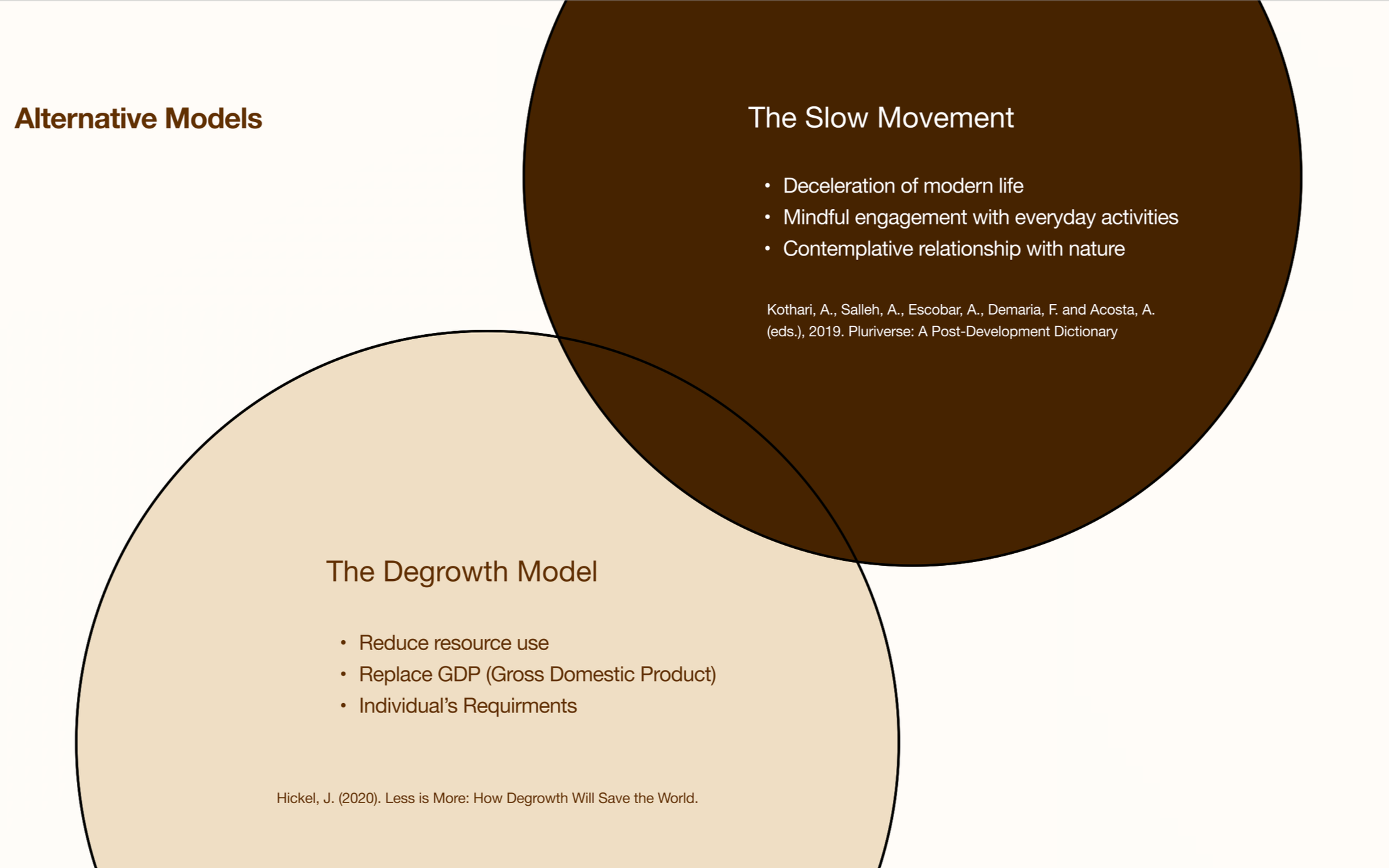
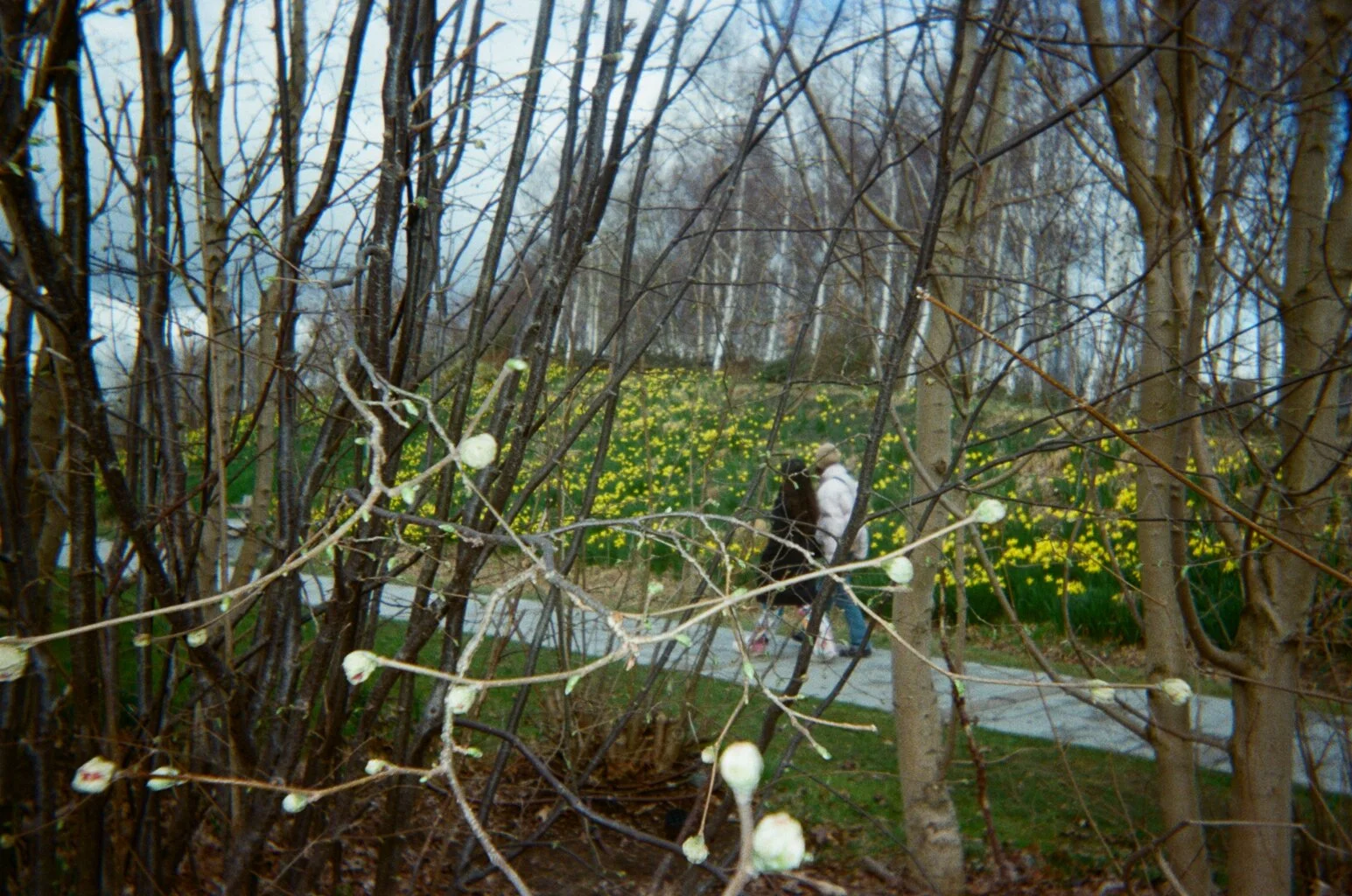
Walk & Talk is an alternative framework to productivity culture. Situated in nature, it reimagines productivity for neurodiverse needs and responds to challenges around burnout, disconnection, and capitalist systems that prioritise productivity over people. This project is a gentle methodology in which we design material elicitations that invite the neurodiverse community to engage in conversations and activities to rethink the meaning of productivity.
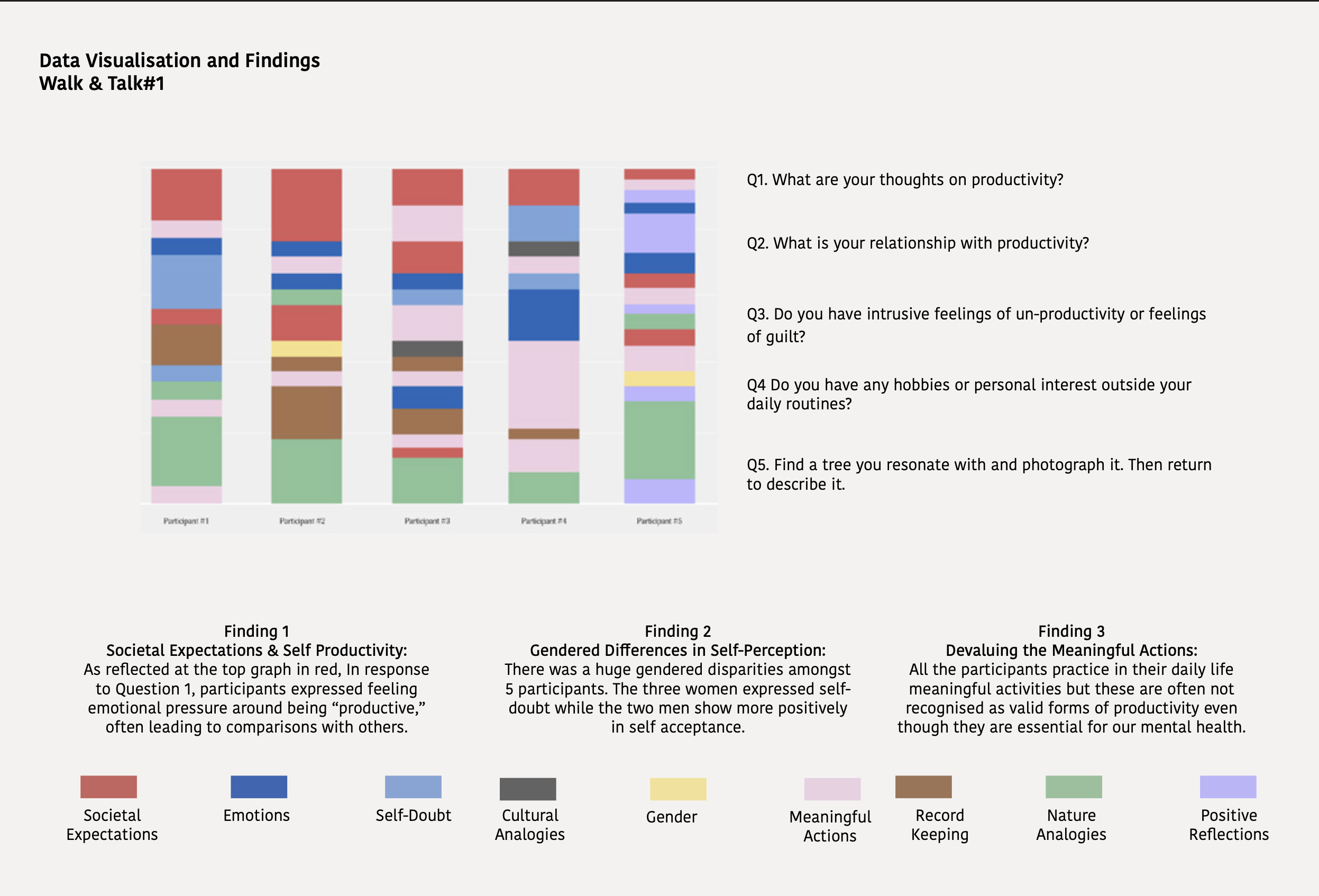
We conducted this research with 12 neurodiverse individuals, taking them on a Walk & Talk in parks around London. As a process-based research project, we explored ethnographic methods with our participants, which included reflective dialogues, observation, and creative documentation to reveal how our community reflects on itself in these environments. Throughout these dialogues, as facilitators, we gathered meaningful insights that led us to our two key outcomes: a framework and a printed-matter self-publication.
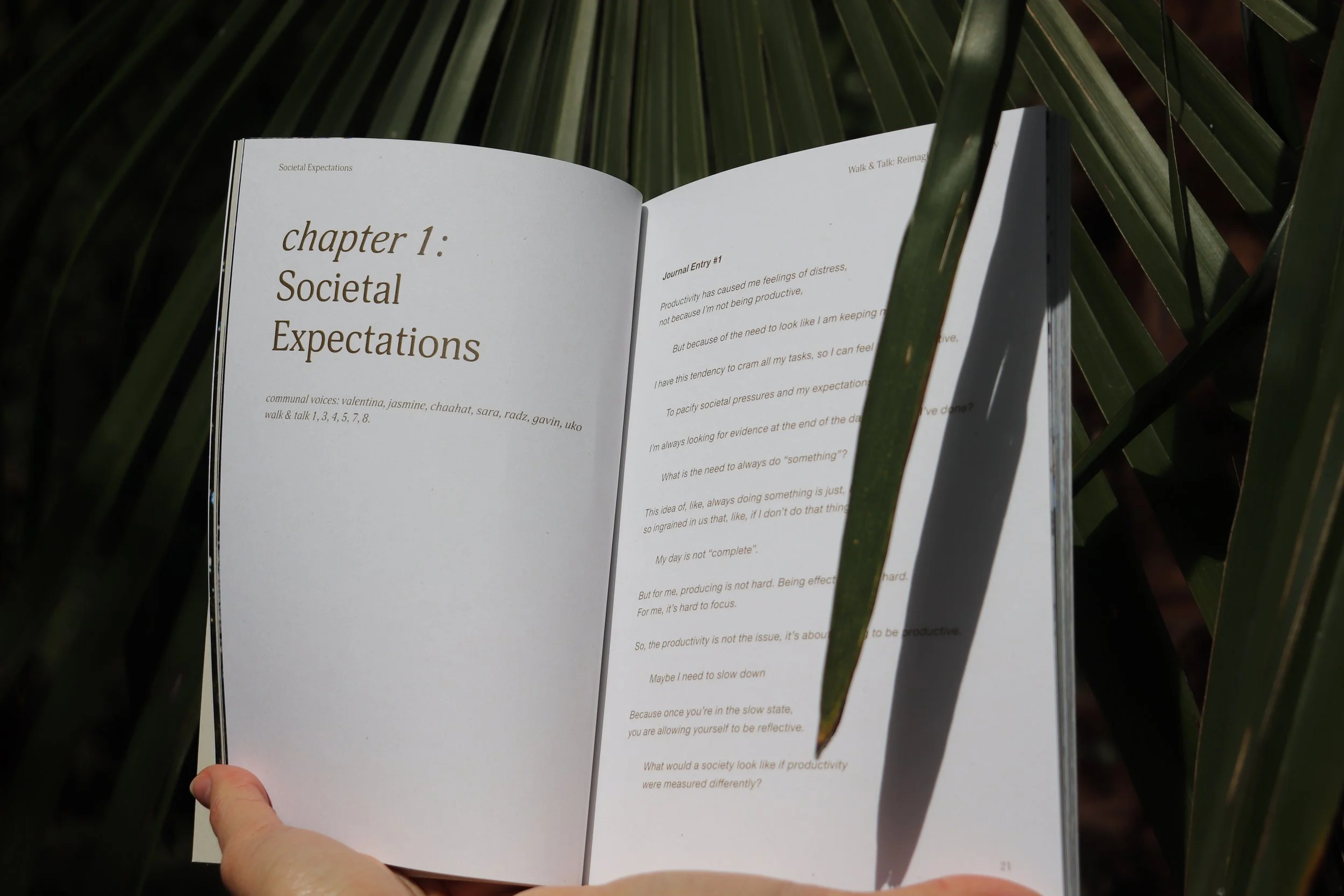
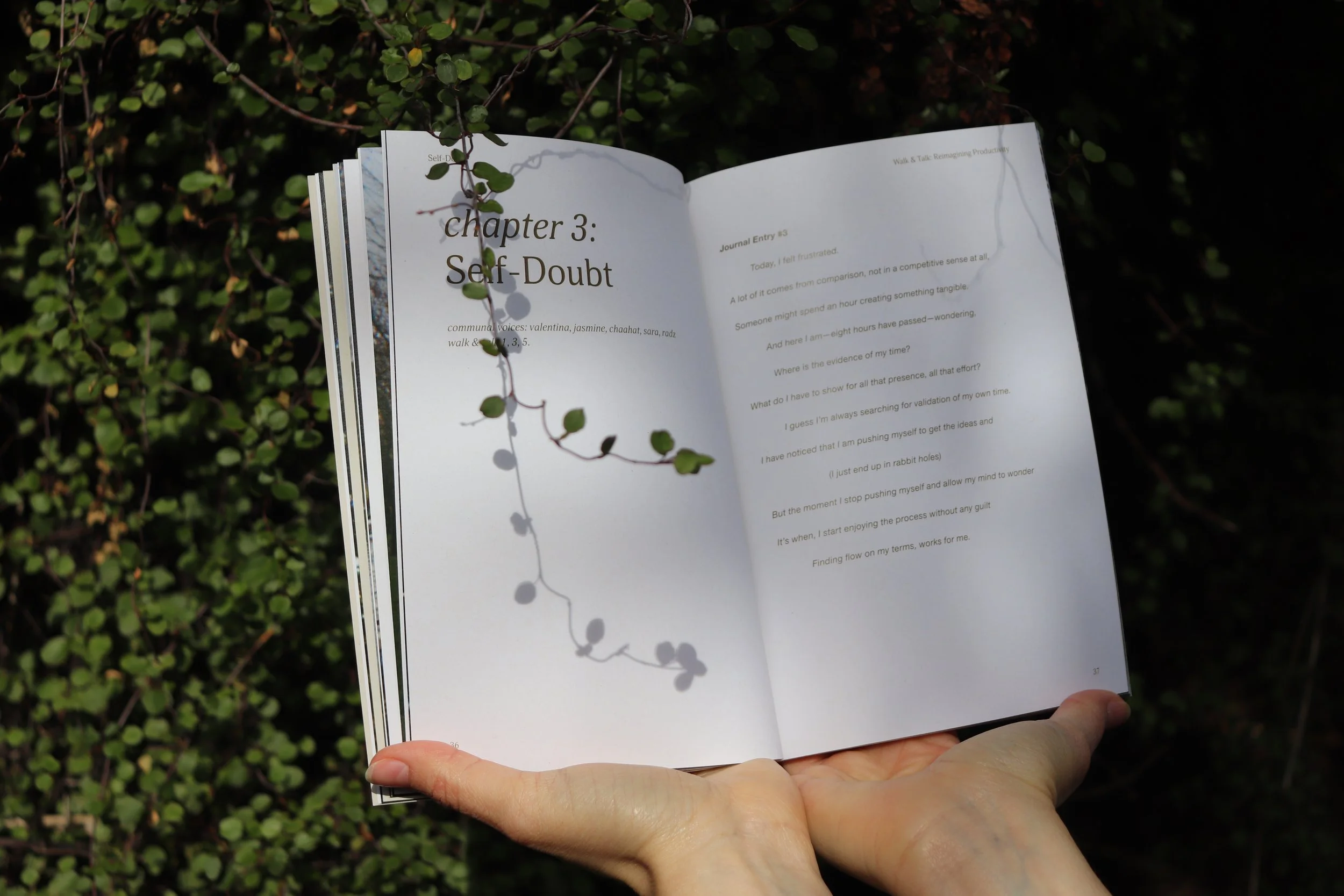
The book presents itself as a visual diary that extends our embodied research through co-created poems from the Walk & Talk, conversations, and photographs of trees shared by our participants. Their voices become warm data to support our narrative storytelling. On the other hand, we developed a downloadable framework intended for designers, researchers, and local communities. It outlines the purpose and use of the Walk & Talk methodology, serving as a step-by-step guide with prompts to practise this alternative, dialogue-based approach to engaging with neurodivergent communities.
Skills: inclusive design, framework design, data analysis, ethnographic research, creative strategy, community engagement.